
6 mins read
Last updated : 10-03-2026
Tamil New Year | Mango season 2026 | Salem Mango Market
Tamil puthandu or Tamil New year is a day of Joy, prosperity and happiness.

Tamil New Year, also known as Puthandu or Chithirai thirunal, is a significant festival celebrated by Tamils around the world on the First day of Tamil calender year.
Tamil New Year 2026 Date and Celebration
Tamil New Year typically falls on April 14th or 15th, marking the beginning of the Tamil month of Chithirai. Homes are decorated with mango leaves, flowers, and colorful patterns called Kolam. This year April 14 2026 is Tamil new Year.
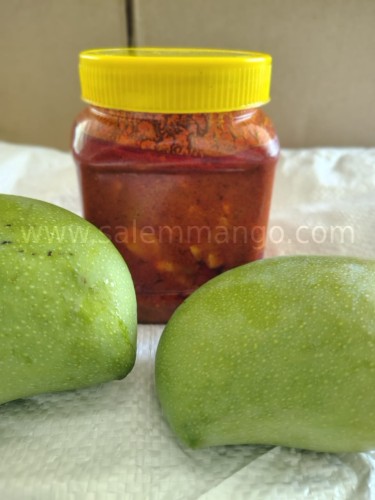
Maanga Pachadi
Special dishes like Maanga Pachadi (a sweet and sour mango dish) and Ven Pongal (a sweet rice dish) are prepared.Families come together to celebrate the new year, exchange gifts, and share meals.Devotees visit temples to offer prayers and seek blessings for the new year. Tamil New Year is a joyous and festive occasion, marking the beginning of a new year and new opportunities.
Tradition of Tamil new year | chithirai thiruvizha
Traditional games like Kabaddi, Uriyadi, and Pallanguzhi are played during Tamil New Year celebrations. Charity: Many people engage in charitable activities, like donating to the poor and needy, during Tamil New Year.
Neem and Mango Leaves
Homes are decorated with neem and mango leaves, which are believed to ward off evil spirits and bring good luck.
A traditional dish called Maanga Pachadi is prepared, which is a mixture of mango, jaggery, and neem flowers. This dish symbolizes the mixture of sweet and bitter experiences in life.
Kani: Chitirai Kani | சித்திரை கனி
As I mentioned earlier, Chithirai Kani is an important ritual where people look at a mirror or a reflection of themselves, signifying a good omen for the new year.
Chithirai Thiruvizha
Faq
1.Why is mango important during Tamil New Year (Puthandu)?
Mango plays a symbolic role in Tamil New Year celebrations because it represents prosperity, abundance, and new beginnings. During Puthandu, mangoes are placed in the “Kanni” tray along with fruits, flowers, coins, and a mirror so that people see auspicious items first in the morning, which is believed to bring prosperity for the year ahead.
Mango leaves are also used to decorate house entrances, as they are traditionally believed to attract positive energy and signify a good harvest season.
2. What is Mango Pachadi and why is it prepared on Tamil New Year?
Mango Pachadi (Maanga Pachadi) is a traditional Tamil New Year dish made with raw mango, jaggery, neem flowers, chilli, and salt. It contains multiple flavors such as sweet, sour, bitter, and spicy, representing the different experiences of life.
Eating this dish during Puthandu reminds people that the coming year will include both happiness and challenges, and that all experiences should be accepted with balance and wisdom.
3. Why are mango leaves used in Tamil New Year decorations?
Fresh mango leaves are tied across doorways as torans (leaf garlands) during Tamil New Year celebrations. This tradition symbolizes good luck, health, and prosperity for the household.
In traditional belief, mango leaves are sacred and are often used in Hindu rituals because they are associated with purity, fertility, and auspicious beginnings.
4. When is Tamil New Year celebrated and why does it fall in mango season?
Tamil New Year, known as Puthandu, is celebrated on the first day of the Tamil month Chithirai, usually on April 14 according to the Tamil solar calendar.
This period coincides with the beginning of the summer harvest season, when fresh mangoes start arriving in markets. Because mango is a seasonal fruit at this time, it naturally becomes an important part of the festival food and rituals.
5. Which mango varieties are commonly used during Tamil New Year dishes?
During Tamil New Year, people typically use raw seasonal mango varieties for dishes like mango pachadi, pickles, and chutneys. Popular varieties include Totapuri, Kilimooku, and other local raw mangoes because they provide the ideal sour taste needed for traditional recipes.
Fresh raw mango adds a tangy flavor to festive dishes and also represents the fresh start of the new agricultural year.
6. Why do people eat raw mango during Tamil New Year?
Raw mango is commonly eaten during Tamil New Year because it represents fresh beginnings and the arrival of summer harvest season. Many traditional dishes like mango pachadi and mango rice use raw mango to symbolize the start of a new agricultural cycle and the abundance of nature.
7. What does mango symbolize in Tamil culture?
In Tamil culture, mango symbolizes prosperity, fertility, sweetness in life, and good fortune. Mango fruits, leaves, and flowers are widely used in festivals, temple rituals, and celebrations because they are believed to bring positive energy and blessings.
8. Why are mango leaves hung at the entrance during festivals?
Mango leaves are tied as “Thoranam” (leaf garlands) across doorways during Tamil New Year and other festivals. This tradition is believed to invite prosperity, protect the home from negative energy, and signify a joyful celebration.
9. Is Tamil New Year the start of mango season in South India?
Yes, Tamil New Year usually falls in mid-April, which coincides with the beginning of the mango harvest season in South India. During this time, fresh raw mangoes start appearing in markets and are widely used in festive cooking.
10. What are the traditional mango dishes prepared for Tamil New Year?
Some popular mango dishes prepared during Tamil New Year include:
These dishes highlight the tangy flavor of seasonal mangoes and add festive taste to the celebration.
11. Why does mango pachadi contain different flavors?
Mango pachadi contains sweet (jaggery), sour (raw mango), bitter (neem flowers), spicy (chilli), and salty flavors. These flavors represent the different emotions and experiences in life such as happiness, sadness, anger, and surprises, reminding people to accept life in balance.
12. Which mango varieties are best for making mango pachadi?
The best mango varieties for mango pachadi are sour raw mangoes such as Totapuri, Kilimooku, and local farm varieties. These mangoes provide the tangy taste needed to balance the sweetness of jaggery and other ingredients.
14. How do mangoes help beat the summer heat during Tamil New Year?
Raw mangoes are traditionally consumed with salt and chilli powder because they help replenish electrolytes and stimulate appetite during hot weather. This simple snack is popular in South India during the early summer months.