
4 mins read
Last updated : 25-01-2026
Organic Control of Mango Hopper
Mango hopper can be effectively controlled in organic farming using entomopathogenic fungi such as Beauveria bassiana, Metarhizium anisopliae, and Verticillium lecanii. When applied at early flowering stages with proper humidity and timing, these bio-agents suppress hopper populations without chemical residues or resistance issues.
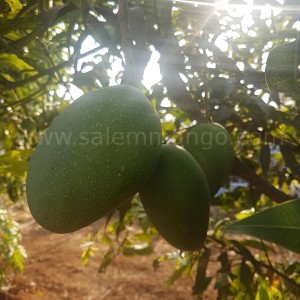
Mango hopper is one of the most serious pests affecting mango productivity, especially during flowering and early fruit set stages. In conventional farming, chemical insecticides are often used, but repeated use leads to resistance, residue concerns, and damage to beneficial insects. Organic and natural mango farming increasingly relies on biological control agents that are eco-friendly, residue-free, and compatible with Integrated Pest Management (IPM).
What Is Mango Hopper and Why It Needs Control
Mango hoppers (Idioscopus spp., Amritodus atkinsoni) are sap-sucking insects that attack:
Damage Caused
Unchecked hopper infestation can result in 30–60% yield reduction, especially in sensitive flowering stages.
Why Biological Control Is Preferred in Organic Mango Farming
Biological control uses naturally occurring fungi that infect and kill pests without harming humans, animals, or beneficial insects.
Key Advantages
Beauveria bassiana is a naturally occurring entomopathogenic fungus that infects mango hoppers through direct contact.
Metarhizium anisopliae is highly effective against sap-sucking pests like mango hoppers when environmental conditions are favorable.
This fungus is particularly effective against soft-bodied insects and supports sustainable hopper control.
| Bio-agent | Typical Dose* | Water Requirement |
|---|---|---|
| Beauveria bassiana | 5–10 g / L | Full canopy spray |
| Metarhizium anisopliae | 5–10 g / L | Full canopy spray |
| Verticillium lecanii | 5–10 g / L | Full canopy spray |
*Always follow product-specific label instructions.
| Aspect | Organic Biological Control | Chemical Control |
|---|---|---|
| Residue on fruit | None | Possible residues |
| Safety for consumers | High | Depends on waiting period |
| Resistance risk | Very low | High with repeated use |
| Effect on beneficial insects | Safe | Often harmful |
| Long-term orchard health | Improves soil & ecology | Degrades ecosystem |
| Organic certification | Allowed | Not allowed |
Yes. When applied early and repeatedly, biological agents can keep hopper populations below economic threshold levels.
Visible reduction occurs in 3–7 days, as fungi act biologically rather than instantly like chemical insecticides.
Yes. They are selective to pests like hoppers and are safe for bees when applied at recommended times.
Yes, but only if product labels permit. Many organic programs rotate them instead of mixing.
Yes. Many export-oriented and residue-sensitive orchards successfully use biological control programs.
Organic control of mango hopper using Beauveria bassiana, Metarhizium anisopliae, and Verticillium lecanii is a scientifically proven, sustainable, and residue-free approach. When applied with correct timing, dosage, and orchard management practices, these bio-agents protect mango yield while preserving soil health, biodiversity, and consumer safety.
This approach aligns perfectly with organic mango farming, export standards, and long-term orchard productivity.