
5 mins read
Last updated : 21-10-2026
Why Mango Tree Pruning Matters
In India mango is the national crop grown all over India. But most of farmers have less known the fact that purning increases the mango production naturally and helps to mange the pest control.
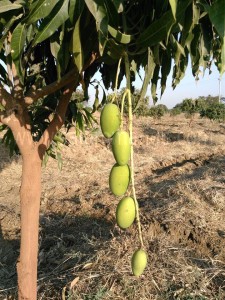
What Is Mango Tree Pruning?
Mango tree pruning involves removing the ingrown branches which makes excess nutrtion absorb and reduces the sunlight penetration inside the trees. The canopy structure of the trees involes removing excess branches ,dead or damaged parts and make the healthy flowering of the tree for the season. Lets see different methods of pruning in India.
Not all mango trees needed to prune every year. It Depends on the age, rainfall, size and how the growth, flowerings.
When Is the Best Time to Prune Mango Trees in India?
The right time to prune a mango tree depends on your local climate, harvest period, variety and the tree's flowering cycle.
For many bearing mango trees in India, the period immediately after harvesting is a practical time for routine canopy maintenance. This gives the tree time to develop new shoots before the next flowering period, provided pruning is appropriate for the local growing conditions.
Mostly in India for canopy methods internal branches are pruned during August–September, once every three years, and trimming terminal growth after harvest. Depends in harvest this timeline varies with every states in India.
How to Prune a Mango Tree Step by Step
Step 1: Inspect the entire tree
Step 2: Clean and prepare the tools
Step 3: Remove dead, damaged and diseased branches
Step 5: Manage low-hanging and unwanted shoots
How to Prune a Young Mango Tree for Strong Growth
During the early years, focus on developing well-spaced primary branches, encouraging a balanced shape and removing damaged or badly positioned shoots.
Mango Tree Pruning Mistakes to Avoid
One should Prune mango tree at right time and when in need only, shouldnt do prune as like mandatory task for every post harvest.
How to Care for a Mango Tree After Pruning
Frequently Asked Questions About Mango Tree Pruning
When should mango trees be pruned in India?
The exact timing depends on the region, variety and expected flowering period. Consult local horticultural guidance before undertaking heavy pruning.
Can I prune a mango tree after harvesting the fruits?
Yes with 15 days gap.Remove dead, diseased, damaged and selected overcrowded branches, while preserving healthy productive shoots.
Should mango trees be pruned before or after flowering?
No pruning recommended before flowering and only done after harvest .Heavy pruning near flowering can remove potential flowering sites.
Can pruning make a mango tree produce more fruit?
Pruning can improve canopy structure and light penetration, which may support productive growth. However, fruit yield also depends on variety, monsoon weather, flowering, pollination, nutrition, water and pest management. Increased yield is not guaranteed due every year rainfall timing varies in India.
How much of a mango tree can be pruned at one time?
There is no calcualtion for every tree. For mature bearing trees, conservative pruning is generally preferable to removing a large amount of healthy canopy. Major rejuvenation work requires a specific plan.
Can I cut the top of a tall mango tree?
No avoid that, it pushes too much growth. Do every year small amount and structure the mango tree.for unifrom flowering.
Why does my mango tree grow leaves but produce few flowers?
Possible causes include immature shoots, excessive vegetative growth, weather conditions, variety, nutrient imbalance, water stress and the tree's natural bearing pattern. Review the whole growing environment rather than assuming pruning alone will solve the problem.
How often should a mango tree be pruned?
Only once in 3 years are most common methods in India for normal cultivation. For High density and UHD cultivation every 2 years.
Can mango trees be pruned during the rainy season?
Yes you can prune, if its not continious rainfall. And only if sunlights in day time.