
11 mins read
Last updated : 25-07-2026
Salem Kottai Mariamman Temple is one of the oldest and most revered temples dedicated to Goddess Mariamman in Tamil Nadu. Located in the heart of Salem city, this sacred shrine attracts thousands of devotees every day who seek blessings for health, prosperity, protection, and family well-being. The temple is especially famous for its magnificent Aadi Festival, spectacular Theemithi (Fire Walking), colorful processions, and centuries-old traditions that continue to inspire devotees from across India. Whether you are planning your first visit or searching for information about Salem Kottai Mariamman Temple timings, history, festival dates, nearby hotels, parking, or travel routes, this comprehensive guide provides everything you need to know before your visit.
| Temple Name | Salem Kottai Mariamman Temple |
|---|---|
| Location | Salem, Tamil Nadu |
| Main Deity | Goddess Mariamman |
| Temple Timings | 6:00 AM – 2:00 PM 4:00 PM – 9:00 PM |
| Entry Fee | Free |
| Parking | Available |
| Restrooms | Available Nearby |
| Nearest Railway Station | Salem Junction |
| Best Time to Visit | July to February |
| Major Festival | Aadi Festival |
Salem Kottai Mariamman Temple is among the most visited Hindu temples in Salem district and serves as an important spiritual destination for devotees of Goddess Mariamman. The word "Kottai" means fort, referring to the ancient Salem Fort that once stood near the temple. The goddess was worshipped as the guardian deity of the fort, giving the temple its distinctive name.
Over the years, the temple has become not only a religious landmark but also a cultural symbol of Salem. During festivals, the surrounding streets come alive with devotional music, flower decorations, traditional markets, and thousands of pilgrims participating in religious rituals.
The temple welcomes visitors throughout the year and offers a peaceful environment where devotees can pray, perform special poojas, and participate in various religious ceremonies.
The history of Salem Kottai Mariamman Temple stretches back several centuries and is deeply connected with the development of Salem city itself. Historians believe that the temple existed during the rule of the Chera dynasty and later continued to receive patronage from successive rulers who governed the Salem region.
Originally, the temple served as the protective shrine of the Salem Fort. Local residents believed Goddess Mariamman safeguarded the fort, protected the town from diseases, and blessed the people with prosperity, good rainfall, and agricultural abundance.
Like many ancient Mariamman temples across Tamil Nadu, Salem Kottai Mariamman Temple became closely associated with prayers for relief from epidemics, seasonal illnesses, and natural calamities. Devotees continue to visit the temple to offer turmeric, neem leaves, flowers, coconuts, and special prayers seeking the goddess's blessings.
Although the original fort structures have largely disappeared over time, the temple remains a living reminder of Salem's rich historical and cultural heritage. Today, it is administered by the Tamil Nadu Hindu Religious and Charitable Endowments (HR&CE) Department and continues to preserve traditional rituals while welcoming modern-day pilgrims.
Goddess Mariamman is widely worshipped across South India as the divine mother who protects devotees from illness, misfortune, and negative influences. She is regarded as the goddess of rain, fertility, health, courage, and prosperity. Many devotees believe that sincere prayers offered at Salem Kottai Mariamman Temple bring peace, good health, success in education, career growth, marriage blessings, and family harmony. Fridays, Tuesdays, Full Moon (Pournami), and the Tamil month of Aadi are considered especially auspicious for worship. Special offerings commonly made by devotees include:
During the annual Aadi festival, thousands of devotees fulfil vows by carrying milk pots, walking in colorful processions, and participating in the famous Theemithi (Fire Walking) ceremony, symbolizing unwavering faith and devotion.
The temple showcases traditional Dravidian architectural elements, featuring a beautifully decorated entrance tower (Rajagopuram), intricately carved pillars, and sanctums dedicated to various Hindu deities. The main sanctum houses the powerful idol of Goddess Mariamman adorned with vibrant silk garments, flower garlands, and precious ornaments during festivals.
The temple complex also includes shrines for Vinayagar (Ganesha), Murugan, Navagrahas, and other guardian deities. The peaceful atmosphere, rhythmic chanting of mantras, and fragrance of flowers and incense create a deeply spiritual experience for visitors.
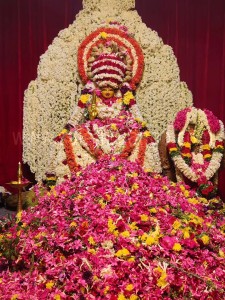
The temple remains open every day for devotees throughout the year. Special poojas are conducted during Tuesdays, Fridays, Amavasya, Pournami, Aadi Fridays, Navaratri, and other auspicious occasions. Devotees are encouraged to arrive early in the morning to avoid crowds, especially during weekends and festival seasons.
Best Time for Peaceful Darshan:
Salem Kottai Mariamman Temple Timings
Temple Session
Opening Time
Closing Time
Morning Darshan
6:00 AM
2:00 PM
Evening Darshan
4:00 PM
9:00 PM
Every day, priests perform traditional rituals according to Agama practices. The temple atmosphere becomes especially vibrant during morning and evening poojas, accompanied by devotional music, bells, and chanting.
Devotees can also sponsor special poojas for birthdays, anniversaries, family well-being, business success, and fulfillment of personal prayers.
The temple's most celebrated event is the annual Aadi Festival, held during the Tamil month of Aadi (July–August). It is one of the largest religious gatherings in Salem, drawing devotees from across Tamil Nadu and neighboring states.
The festival lasts several days and features elaborate decorations, daily rituals, cultural performances, and devotional processions.
Apart from the Aadi Festival, several important Hindu festivals are celebrated throughout the year with great devotion.
| Festival | Highlights |
|---|---|
| Aadi Festival | Fire Walking, Milk Pots, Grand Processions |
| Navaratri | Daily Alankaram and Cultural Programs |
| Panguni Festival | Special Abhishekam and Temple Procession |
| Tamil New Year | Special Darshan |
| Vinayagar Chaturthi | Special Poojas |
| Pournami | Extended Worship |
| Aadi Fridays | Heavy Devotee Rush |
The temple is centrally located within Main Salem city after collector office and is easily accessible by road, rail, and air. Auto-rickshaws, taxis, city buses, and app-based cab services are readily available.
Salem is connected through National Highways with Chennai, Bengaluru, Coimbatore, Erode, Namakkal, Dharmapuri, and Madurai.
The nearest railway station is Salem Junction, which has regular trains from major Indian cities.
The nearest airport is Salem Airport. Travelers can also use Coimbatore International Airport or Tiruchirappalli International Airport for additional flight options.
| Location | Distance | Approximate Travel Time |
|---|---|---|
| Bangalore | 200 km | 4 Hours |
| Chennai | 340 km | 6 Hours |
| Madurai | 235 km | 4.5 Hours |
| Coimbatore | 165 km | 3 Hours |
| Erode | 70 km | 1.5 Hours |
| Namakkal | 55 km | 1 Hour |
| Dharmapuri | 65 km | 1.5 Hours |
| Landmark | Distance |
|---|---|
| Salem Junction Railway Station | Approximately 2 km |
| Salem Old Bus Stand | Around 500 meters |
| Salem New Bus Stand | Approximately 6 km |
| Salem Airport | About 18 km |
The temple offers several facilities to ensure a comfortable experience for devotees and tourists.
There is no strict dress code, but visitors are encouraged to wear clean and modest clothing as a mark of respect. Traditional Indian attire is preferred during festivals and special poojas.
Photography is generally permitted in the outer temple परिसर where allowed. Photography and videography inside the sanctum sanctorum may be restricted. Visitors should always follow the instructions of temple authorities.
Visitors traveling from other cities will find a wide range of accommodation options near Salem Kottai Mariamman Temple. From budget lodges to premium hotels, Salem offers comfortable stays for families, solo travelers, and pilgrims.
| Hotel / Lodge | Approximate Distance | Category |
|---|---|---|
| Hotel Selvam | 1 km | Budget |
| Hotel Salem Castle | 2 km | Mid-Range |
| CJ Pallazzio | 5 km | Premium |
| Grand Estancia | 6 km | Premium |
| Cenneys Gateway | 5 km | Luxury |
| Hotel LRN Excellency | 3 km | Business Hotel |
Several affordable lodges are also available near Salem Old Bus Stand and Salem Junction Railway Station.
After visiting the temple, devotees can enjoy authentic South Indian cuisine at nearby restaurants serving vegetarian and multi-cuisine meals.
If you are planning a full-day trip in Salem, consider visiting these popular attractions located within the city and surrounding areas.
The temple welcomes devotees throughout the year, but the experience varies by season.
| Season | Why Visit? |
|---|---|
| July – August | Grand Aadi Festival Celebrations |
| September – October | Navaratri Decorations |
| November – February | Pleasant Weather |
| March – June | Hot Summer; Visit Early Morning |
For a peaceful darshan, weekdays between 6:00 AM and 8:00 AM are generally less crowded than weekends and festival days.
The temple is generally open from 6:00 AM to 2:00 PM and 4:00 PM to 9:00 PM.
The annual Aadi Festival with the famous Theemithi (Fire Walking) ceremony is the most celebrated event.
No. Entry to the temple is free for all devotees.
Yes. Parking facilities are available near the temple, though they can become crowded during festivals.
Yes. Public restroom facilities are available near the temple premises.
Salem Junction Railway Station is approximately 2 km away.
Salem Old Bus Stand is within walking distance of the temple.
Yes. Early morning visits are recommended to avoid heavy crowds.
Photography may be permitted in outer areas where allowed, but restrictions often apply inside the sanctum.
Milk pots (Paal Kudam), turmeric, flowers, coconuts, neem leaves, and Archana are common offerings.
சேலம் கோட்டை மாரியம்மன் கோவில் தமிழ்நாட்டின் மிகவும் பழமையான அம்மன் கோவில்களில் ஒன்றாகும். "கோட்டை" என்ற பெயர், இக்கோவில் அமைந்திருந்த பழைய சேலம் கோட்டையை குறிக்கிறது. அந்தக் காலத்தில் கோட்டையின் காவல் தெய்வமாக மாரியம்மன் வழிபட்டதாக நம்பப்படுகிறது. ஆடி மாத திருவிழா, தீமிதி, பால்குடம், பூச்சட்டி, கரகம் போன்ற விழாக்கள் மிகவும் சிறப்பாக நடைபெறுகின்றன. தமிழகம் முழுவதும் இருந்து ஆயிரக்கணக்கான பக்தர்கள் ஆண்டுதோறும் வந்து அம்மனை தரிசிக்கின்றனர். உடல்நலம், குடும்ப நலன், தொழில் முன்னேற்றம் மற்றும் குழந்தைப்பேறு வேண்டி பக்தர்கள் சிறப்பு வழிபாடுகள் நடத்துகின்றனர்.
Salem Kottai Mariamman Temple is not only one of Salem's oldest temples but also one of Tamil Nadu's most significant spiritual landmarks. Its rich history, vibrant festivals, traditional architecture, and deep-rooted cultural importance make it a must-visit destination for devotees and travelers alike. Whether you are seeking divine blessings, exploring Salem's heritage, or planning a pilgrimage with your family, the temple offers a memorable and spiritually uplifting experience. With convenient access, nearby accommodations, visitor facilities, and year-round worship, Salem Kottai Mariamman Temple continues to be a cherished destination for thousands of devotees every year.