
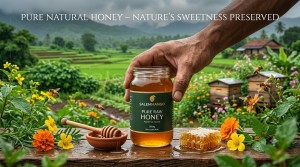
Honey for Monsoon Immunity: How Raw Honey Supports Gut Health When Seasonal Challenges Increase
The monsoon season brings refreshing rain, cooler weather, and new life to nature. However, changing humidity, temperature variations, and seasonal lifestyle changes make it important to pay attention to food choices and daily wellness habits.
For generations, Indian families have included traditional foods like honey, turmeric, ginger, and herbal ingredients as part of seasonal routines.
Among these natural foods, honey has always held a special place. Known as "Madhu" in traditional Indian practices, honey has been valued as a natural sweetener and a food connected with seasonal care.
Why Monsoon Season Needs Extra Attention
During monsoon, environmental conditions change significantly. Increased moisture and changing temperatures can influence food storage, eating patterns, and digestive comfort.
Traditional communities adapted to these seasonal changes by including simple, natural foods in their daily routines.
- Fresh seasonal foods
- Traditional spices and herbs
- Natural sweeteners like honey
- Balanced home-cooked meals
How Raw Honey Fits Into a Monsoon Wellness Routine
Natural honey contains naturally occurring compounds including enzymes and plant-based antioxidants that make it different from refined sweeteners.
1. Natural Source of Antioxidants
Honey contains naturally occurring plant compounds such as polyphenols. These compounds contribute to honey's unique characteristics and are one reason honey has been valued traditionally.
2. Supports a Balanced Gut-Friendly Diet
A healthy digestive system depends on many factors including nutritious food choices, adequate fibre, hydration, and a balanced lifestyle.
Honey can be included as part of a balanced diet as a natural alternative to highly processed sweeteners.
3. Traditional Seasonal Usage
Across Indian households, honey has traditionally been combined with ingredients such as:
- Ginger
- Tulsi
- Lemon
- Warm water
These combinations are part of traditional food practices followed by many families during seasonal changes.
Natural Honey vs Refined Sweeteners
| Natural Honey | Refined Sugar |
|---|---|
| Contains natural floral compounds and unique aroma | Primarily provides sweetness |
| Taste varies naturally depending on flowers and region | Usually has uniform taste |
| Traditional food valued for generations | Industrial processed sweetener |
Why Honey Source Matters
The quality and character of honey depend on its source. Bees collect nectar from different flowers, and this creates natural variations in colour, aroma, flavour, and texture.
Experienced farmers and honey collectors understand:
- Flower sources
- Seasonal changes
- Natural harvesting time
- Careful handling methods
- Preserving honey quality
This knowledge comes from years of working with nature and cannot be understood only through labels.
Salemmango Honey: Quality Beyond Labels
At Salemmango, we believe quality begins at the source. Good food comes from understanding farming, respecting nature, and maintaining transparency from farm to home.
- Farmer-connected sourcing
- Traditional food values
- Natural taste and aroma
- Careful product selection
- Farm-to-home approach
Quality is not only about certificates and packaging. It is about the people, process, and principles behind every product.
Simple Ways to Include Honey During Monsoon
Honey With Warm Water and lemon as ayurvedic helps gut health
Many families traditionally enjoy a small amount of honey mixed with warm water as part of their morning routine.
Honey With Traditional Ingredients
Honey is commonly paired with ingredients like ginger and tulsi in traditional preparations.
Natural Sweetener
Honey can be used as a natural sweetener in beverages and foods.
Note: Honey should not be given to children below 12 months of age.
Traditional Farming Wisdom Meets Modern Food Choices
Today, consumers want to know more about their food:
- Where it comes from
- How it is produced
- Who stands behind the product
- How naturally it is processed
Farmers understand seasons, plants, and natural cycles. This experience helps preserve the connection between nature and food.
Why Choose Salemmango Natural Honey?
Salemmango was created with the purpose of connecting traditional farm knowledge with modern families looking for authentic food products. Helps Honey bees in farming increases natural bio diversity. we are not man made , we are all work with nature.
- Natural food philosophy
- Farmer-focused approach
- Traditional values
- Quality-focused sourcing
- Honest farm-to-home connection
Choose the Natural Sweetness of Honey This Monsoon
Monsoon is a season to reconnect with nature and choose foods that support a balanced lifestyle.
Natural honey has been valued for generations because of its unique taste, traditional importance, and connection with seasonal food practices.
Choosing authentic honey means choosing more than sweetness. It means choosing a product connected with nature, farmers, and traditional wisdom.
Salemmango Pure Natural Honey Traditional goodness preserved naturally.
Frequently Asked Questions About Honey During Monsoon
Does honey help during monsoon season?
Honey has traditionally been included in monsoon diets as a natural food. It should be consumed as part of a balanced lifestyle.
Why is raw honey different from refined sugar?
Natural honey contains naturally occurring compounds and unique flavour characteristics, while refined sugar mainly provides sweetness.
Why does honey colour change?
Honey colour and flavour naturally vary depending on the flowers visited by bees and the region where it is collected.
How should honey be used during monsoon?
Honey can be used as a natural sweetener or combined with traditional ingredients like ginger, tulsi, or lemon.
Why choose Salemmango Honey?
Salemmango focuses on farmer-connected sourcing and traditional food values to bring authentic natural products from source to home.