
5 mins read
Last updated : 11-03-2026
Energy Shortages and Changing Lifestyles: How LPG, Fuel, and Electricity Crises Are Reshaping Daily Life
Due War by Super Powders in Global, Rising fuel prices and periodic shortages of LPG gas, petrol, diesel, and electricity have become a growing concern for households across many parts of the India. Energy supply disruptions can affect transportation, cooking, agriculture, and even basic daily routines.
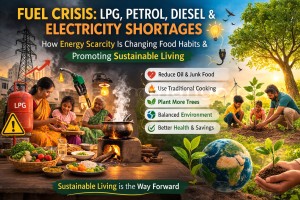
However, beyond the economic challenges, energy crises sometimes push societies to rethink consumption patterns, food habits, and sustainable living practices. In some cases, communities rediscover traditional methods of cooking, reduce excessive consumption, and adopt simpler lifestyles that may benefit both health and the environment.
Salemmango farmers explains how fuel shortages impact households and what sustainable alternatives may help create long-term resilience.
Why Energy Shortages Are Increasingly Discussed
Global energy systems are complex and sensitive to several factors, including:
When supply becomes limited by Iran, Israel war the prices rise sharply, households feel the impact directly through higher LPG refill costs, fuel prices, and electricity bills.For many families, cooking fuel becomes one of the most immediate concerns.
How LPG Shortages Affect Household Cooking
Liquefied Petroleum Gas (LPG) has become the primary cooking fuel for millions of households because it is clean, convenient, and efficient. But when LPG prices rise or supply becomes limited, families often adapt their cooking habits.
In many cases, families move toward boiled, steamed, or lightly cooked foods, which naturally require less energy to prepare.Interestingly, these adjustments may also lead to healthier dietary patterns. And reduce medical expenses and be helathier for long days.
Simpler Diets Can Improve Health
Modern diets often include excessive oil, processed foods, and fried snacks. When energy costs rise and cooking becomes more minimal, households may shift toward traditional meals such as:
Reducing excess oil consumption can help lower risks of several lifestyle diseases, including:
In the long term, healthier food habits may also reduce household spending on medical treatments.
Traditional Cooking Methods Are Returning
When modern fuels become scarce or expensive, communities often rediscover traditional cooking methods that were widely used for generations.Some common alternatives include:
These methods have been part of rural life for centuries and remain practical in many regions where modern fuel access is limited.However, these alternatives also require responsible environmental management.
The Environmental Challenge: Increased Firewood Use
If more households rely on wood or charcoal for cooking, demand for firewood may increase. Uncontrolled tree cutting can lead to:
For this reason, responsible energy adaptation must be accompanied by sustainable forestry and tree planting initiatives.
Why Tree Planting Is Essential for Ecological Balance
Trees play a critical role in maintaining environmental balance because they absorb carbon dioxide (CO₂) from the atmosphere during photosynthesis.
When fuels such as wood, charcoal, petrol, or diesel are burned, carbon dioxide is released into the atmosphere. Trees help offset part of this by capturing carbon and storing it in plant biomass.A sustainable approach requires a balanced cycle:
If societies expand tree planting efforts, the environmental impact of increased biomass usage can be partially mitigated.
Economic Impacts of Reduced Consumption
Energy shortages often reduce consumption patterns. When people cook less elaborate meals or avoid energy-intensive products, certain industries may experience lower demand.
These may include sectors such as:
For large corporations that rely on high consumption levels, reduced demand may affect profits. However, from a sustainability perspective, lower consumption can encourage more balanced and resource-efficient lifestyles.
Its time to Rethink Energy, Food, and Sustainability
Energy crises create real challenges for households and economies. Yet they also provide an opportunity to reflect on how societies use energy, food, and natural resources.
Possible long-term lessons include:
By combining modern technology with traditional wisdom, communities can create more resilient and sustainable lifestyles.
The ongoing discussions around shortages of LPG, petrol, diesel, and electricity highlight how closely energy systems are connected to everyday life. While these challenges create difficulties, they also encourage societies to reconsider consumption habits, rediscover traditional practices, and focus on environmental responsibility.
With thoughtful planning, sustainable resource management, and increased tree planting efforts, communities can turn energy challenges into opportunities for healthier living and ecological balance.This summer eat mangoes on seasonal fruit for healthy and nutrition. Support farmers backbone for the good envirnoment beacuses farmers plant crops cuts down carbon emission polluted from cities.