
3 mins read
Last updated : 20-08-2025
Natural boron for Mango tree | Spary for Mango flowering and growth
In mango trees boron is common micro nutritents needed during growth and the reproduction stage. As the mango tree starts flowering most of the farmers find the boron lacking in the plants and start applying via foilar spary or through irrigation in soil application. But they have to depend on chemicals from the market, we suggest you natural bio way of boron production and natural incest repellent for your mango flowering stage. Yes its possible Calotropis plants are excellent in boron production and other micronutritents.
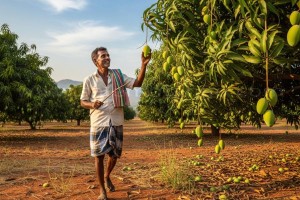
How to prepare boron naturally for mango plants
Botanical Name:Calotropis gigantea (Giant Milkweed)
Grows in dry, wasteland, roadsides, and arid climates. Produces milky latex sap.Flowers used in some herbal remedies for cough and asthma
Boost Your Mango Farm Naturally with Calotropis gigantea
If you are looking for a natural way to increase the boron content in soil and improve the health of your mango farm, then Calotropis gigantea (also known as Giant Milkweed or Arka plant) can be your best ally. This hardy, eco-friendly plant not only grows easily in wastelands but also provides incredible benefits for organic farming and long-term soil fertility.
How Calotropis gigantea Enriches Your Soil Mango Plants
Benefits of Using Calotropis gigantea in Mango Farming
Simple Practice to Apply Calotropis gigantea in Your Farm
Why to Choose natural boron Method for mango production?
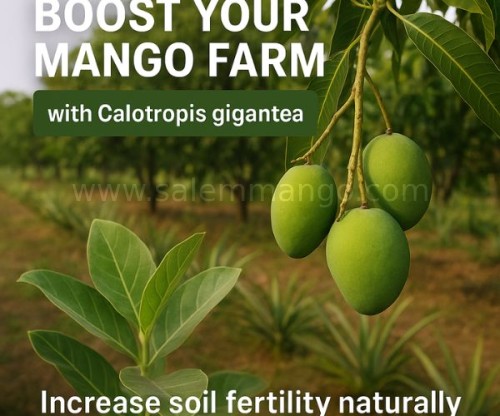

Unlike synthetic boron fertilizers, Calotropis gigantea provides a sustainable farming solution. It reduces chemical input costs, promotes organic certification readiness, and keeps your mango orchard healthy for the long run
By adopting this practice, you are not only enhancing mango production but also contributing to eco-friendly farming in India. Let your farm thrive with the power of Calotropis gigantea – the natural boron booster for your soil! 🌱🥭