
6 mins read
Last updated : 22-07-2026
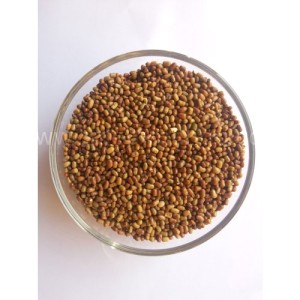
For centuries, millets have been a staple food across India. Today, these ancient grains are making a strong comeback as nutritionists and health experts recommend them as healthier alternatives to refined grains.
If you are looking for the best millet for diabetes, chances are you've come across Foxtail Millet, Barnyard Millet, and Little Millet. While all three are nutritious, each offers unique benefits depending on your health goals.
This comprehensive guide compares these three popular millets, explains their nutritional value, glycemic impact, health benefits, and shares delicious millet recipes suitable for everyday meals.
Unlike polished white rice and refined wheat, millets are whole grains that naturally retain their fiber, vitamins, minerals, and antioxidants.
| Feature | Foxtail Millet | Barnyard Millet | Little Millet |
|---|---|---|---|
| Glycemic Index | Low | Very Low | Low |
| Dietary Fiber | High | Very High | High |
| Protein | Good | Moderate | Good |
| Best For | Daily meals | Blood sugar management | Rice replacement |
| Cooking Time | 15–20 Minutes | 15 Minutes | 20 Minutes |
| Taste | Mild & Nutty | Soft | Rice-like |
Foxtail Millet is one of the oldest cultivated grains in the world and is widely consumed across Asia. Its slow-release carbohydrates provide sustained energy while helping reduce rapid blood sugar spikes.
Barnyard Millet is often considered one of the best millets for people looking to manage blood sugar because of its naturally low glycemic index and high dietary fiber.
Little Millet closely resembles rice after cooking, making it an excellent substitute for polished white rice in daily meals.
| Nutrient | Foxtail Millet | Barnyard Millet | Little Millet |
|---|---|---|---|
| Dietary Fiber | High | Very High | High |
| Protein | Good | Moderate | Good |
| Iron | Moderate | High | Moderate |
| Magnesium | Good | Good | Good |
| Gluten | Gluten-Free | Gluten-Free | Gluten-Free |
| Health Goal | Recommended Millet |
|---|---|
| Blood Sugar Management | Barnyard Millet |
| Daily Family Meals | Foxtail Millet |
| Rice Replacement | Little Millet |
| Weight Management | Barnyard Millet |
| Balanced Nutrition | Foxtail Millet |
| Day | Meal Suggestion |
|---|---|
| Monday | Foxtail Millet Upma |
| Tuesday | Little Millet Rice |
| Wednesday | Barnyard Millet Khichdi |
| Thursday | Foxtail Millet Pongal |
| Friday | Little Millet Pulao |
| Saturday | Barnyard Millet Salad |
| Sunday | Mixed Millet Bowl |
Barnyard Millet generally has one of the lowest glycemic indexes among commonly consumed millets.
Millets can be included as part of a balanced diet. Portion size and overall meal composition are important for blood sugar management.
Foxtail Millet contains more fiber and micronutrients than polished white rice and generally has a lower glycemic impact.
Barnyard Millet is often preferred because of its high fiber content, although all whole millets can support weight management when consumed in appropriate portions.
Yes. Many households replace white rice with millets. Rotating different millet varieties provides a broader range of nutrients.
Current nutrition research supports replacing refined grains with whole grains, including millets, to improve dietary quality. While millets may contribute to better blood sugar management due to their fiber content and slower digestion, diabetes management also depends on balanced meals, regular physical activity, adequate sleep, stress management, and medical guidance.
Foxtail Millet, Barnyard Millet, and Little Millet each offer unique nutritional advantages.
Instead of choosing just one, rotating different millets throughout the week can help maximize nutritional diversity while making meals healthier and more enjoyable.
Disclaimer: This article is intended for educational purposes only and should not replace professional medical advice. Individuals with diabetes should consult a qualified healthcare professional or registered dietitian before making significant dietary changes.